

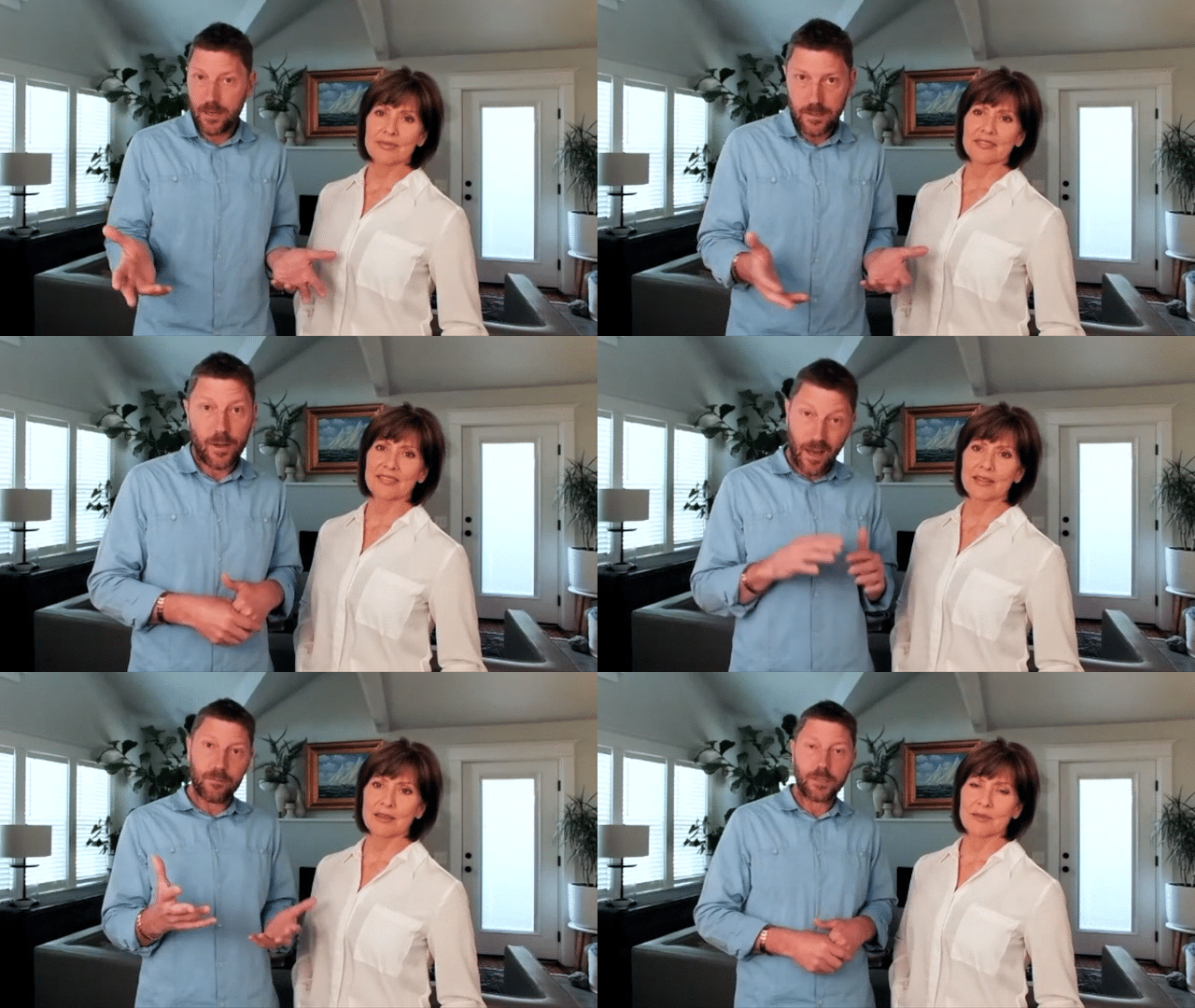
Dr. Greg Nigh and Maria Zilka, the clinic’s founders, have collaborated in patient care for over a decade. Immersion Health brings them together to offer intensive, comprehensive and individualized programs for the treatment of all types and stages of cancer. In addition to cancer care, Dr. Nigh offers a full range of primary care medicine, including functional lab testing.
Immersion Health was started as an intensive naturopathic oncology clinic. The cancer treatment approach at Immersion Health is unique, recognizing cancer as a metabolic disease and utilizing a unique set of therapies based upon a deep understanding of cancer cell metabolism.
At Immersion Health we are delivering therapies that address all aspects of health and vitality because long-term success against cancer depends on a strong immune system, low inflammation, ongoing detoxification, lifelong nutritional strategies, stress management, physical activity, and much more. Immersion Health brings this all together into individualized treatment plans that optimize every individual’s potential for recovery and ongoing wellness. In addition to cancer treatment, Dr. Nigh brings these same metabolic therapies into
the treatment of many patients with difficult chronic conditions such as mold-related illness, Lyme disease, chronic fatigue/immune dysregulation syndrome (CFIDS), fibromyalgia, and others. He is an expert on the health issues related to sulfur metabolism and has written extensively on this topic. In practice for over 20 years, he works collaboratively with Maria to create treatment plans tailored to the unique needs of each individual.
They have had great success treating patients with thyroid disorders, cancer, autoimmune diseases, diabetes, hypertension and heart disease, Crohn’s disease, ulcerative colitis, menopausal symptoms, and much more.

Walk as if you are kissing the earth with your feet.
Walk as if you are kissing the earth with your feet.
Walk as if you are kissing the earth with your feet.
Walk as if you are kissing the earth with your feet.
Walk as if you are kissing the earth with your feet.
Walk as if you are kissing the earth with your feet.
Walk as if you are kissing the earth with your feet.
Walk as if you are kissing the earth with your feet.
~ Thich Nhat Hahn ~